About Us
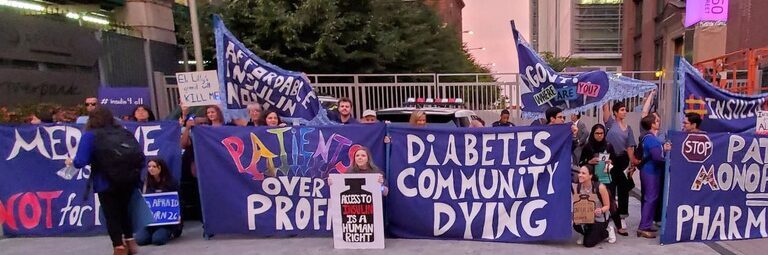
We are a patient-led nonprofit fighting for global healthcare equity in the diabetes access-to-medicines space.
About T1International
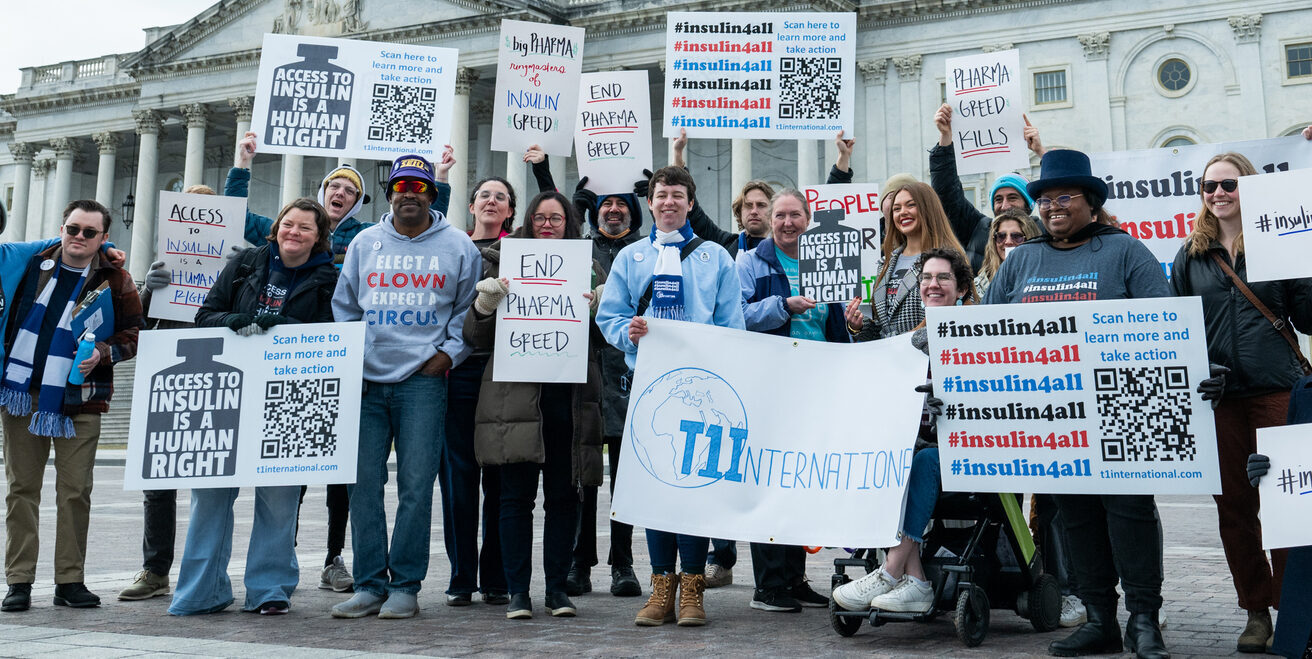
We are a nonprofit led by people with and impacted by diabetes, for people with diabetes, fighting for global healthcare equity
Our Mission
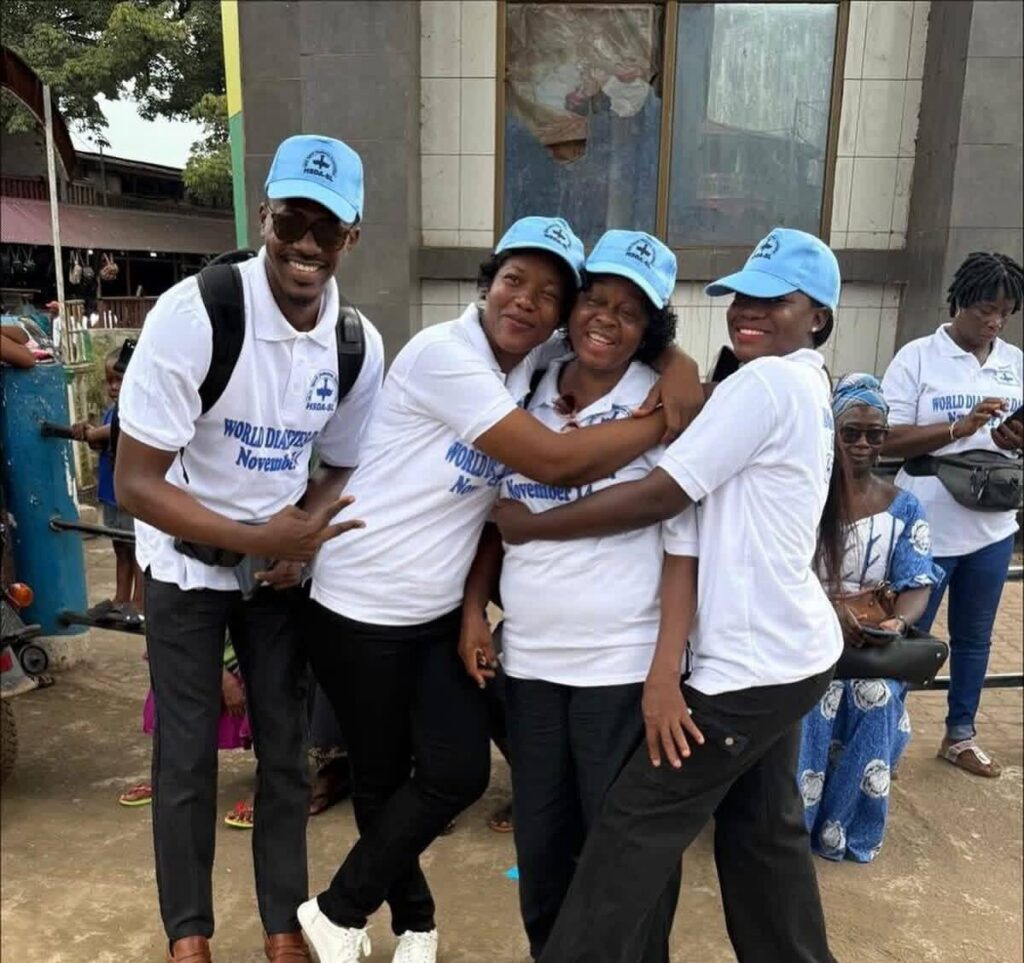
We support local communities by giving them the training, tools, community, and networks they need to stand up for their rights so that access to insulin and diabetes supplies becomes a reality for all.
Our Vision
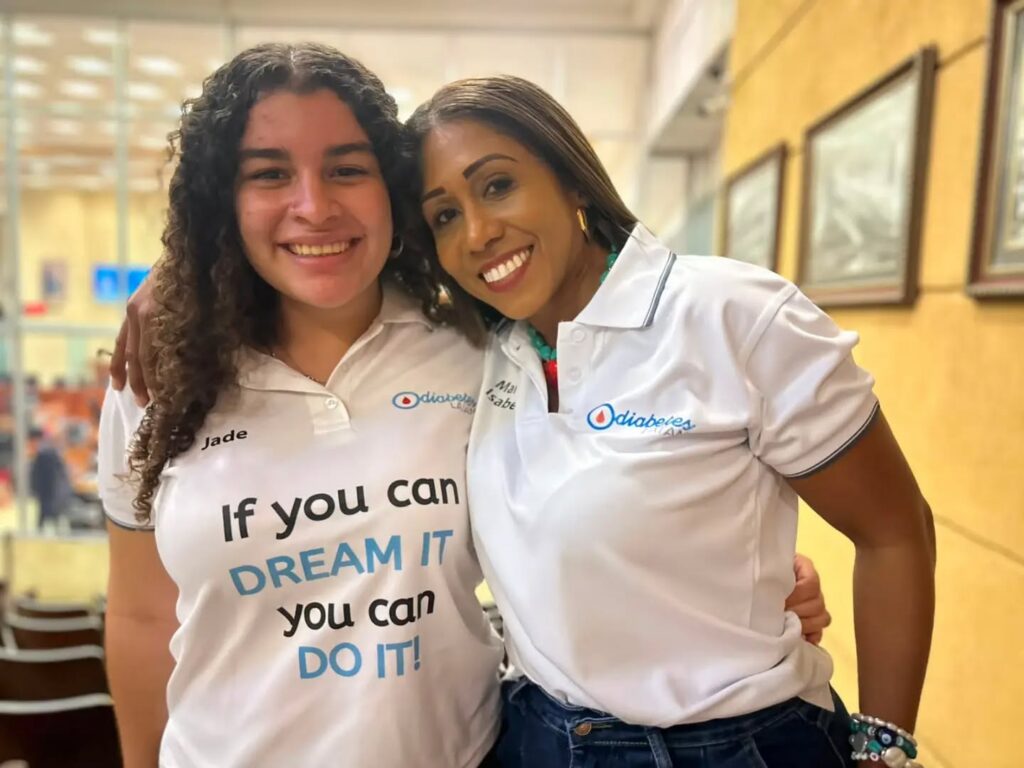
We believe in a world where everyone with diabetes, no matter where they live, has everything they need to survive and achieve their dreams.
T1International’s Values:
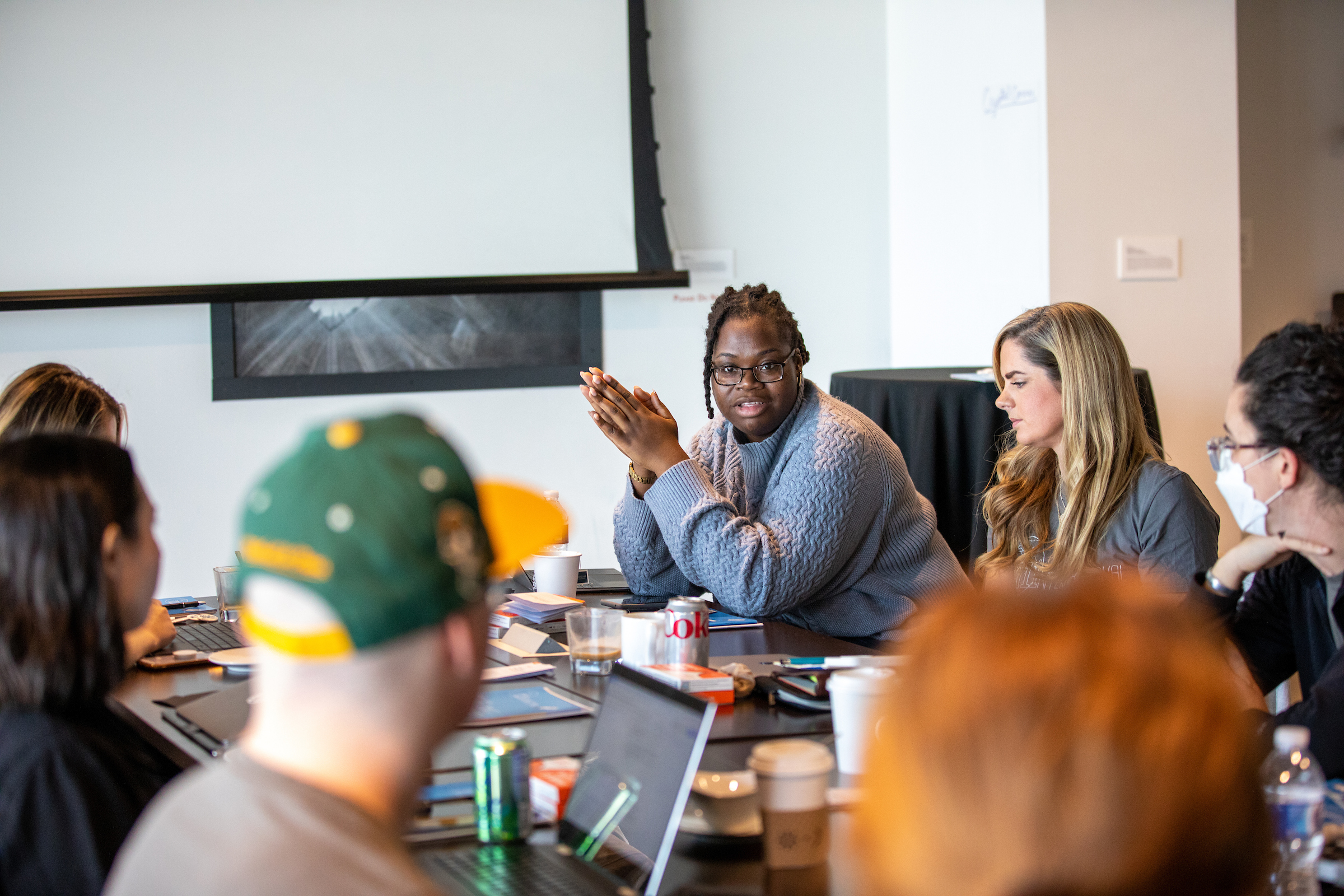
The values of Patient-led, Independence, Transparency, Inclusivity, Boldness, and Hope serve to inspire us and hold us accountable alongside our action plan.
Ethical Fundraising Promise
T1International truly appreciates each of its supporters, aims to treat them with respect and values their contribution regardless of amount. T1International must raise funds from a variety of diverse sources to be able to continue to deliver and sustain our mission and vision of #insulin4all. It is important to us and our community that in doing this, we maintain our independence and credibility and do not allow any external parties to impact T1International’s integrity or our vision for how we work toward #insulin4all.
What We’re Up Against:
Insulin is essential. But millions of people cannot access it.
For people living with type 1 diabetes, insulin is essential for survival. Many people with other forms of diabetes also rely on insulin to manage their health and prevent serious complications.
Yet around the world, people continue to face barriers to accessing insulin, diabetes supplies, and healthcare.
No one should die because they cannot afford or obtain the medicine they need.
1 in 2 people who need insulin cannot get it because it is unaffordable, inaccessible, or both
Everyone with diabetes deserves access to quality healthcare, including:
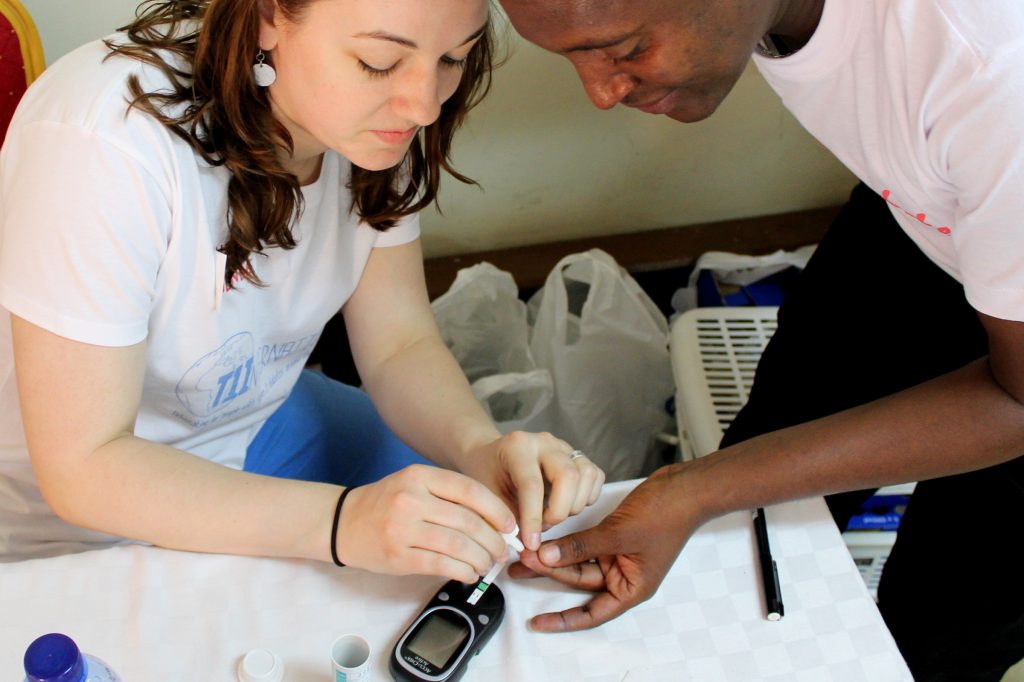
- Reliable access to affordable insulin and other essential medications including glucose self-monitoring supplies
- Support from trained healthcare professionals, including mental healthcare
- Quality diabetes education and ongoing care
Access to these essentials can mean the difference between living a healthy life and facing preventable complications or death.
A Global Crisis of Access
Diabetes affects hundreds of millions of people worldwide, but access to care remains deeply unequal.
Where someone lives, their income, and the strength of their healthcare system can determine whether they receive the treatment they need.
People in low- and middle-income countries often face the greatest barriers, but affordability and access challenges also affect people in wealthier countries.
Around the world, people living with diabetes report rationing insulin, reusing supplies, delaying care, or making impossible choices between healthcare and other basic needs.
The Systems Behind the Crisis
The insulin access crisis is not caused by a lack of medical knowledge or available treatments. It is the result of systems that fail to prioritize access and equity.
Key challenges include:
- Concentrated markets and high costs – A small number of companies control much of the global insulin and diabetes technology markets. Limited competition, pricing decisions, and market structures contribute to affordability challenges.
- Inequitable healthcare systems – Access to diabetes care often depends on insurance coverage, income, geography, and government investment. Many people are left without reliable support.
- Unequal access to innovation – New diabetes technologies can transform lives, but they remain inaccessible to many people because of cost and availability. Innovation must not come at the expense of basic access to essential medicines.
- Humanitarian and global challenges – Conflict, displacement, climate change, and health system disruptions can make it even harder for people with diabetes to access life-saving care.
Charity Is Not Enough. We Need Systemic Change.
Donations and charitable programs can provide important support, but they cannot replace sustainable access to affordable healthcare.
People with diabetes deserve systems that guarantee access, not temporary solutions that depend on goodwill.
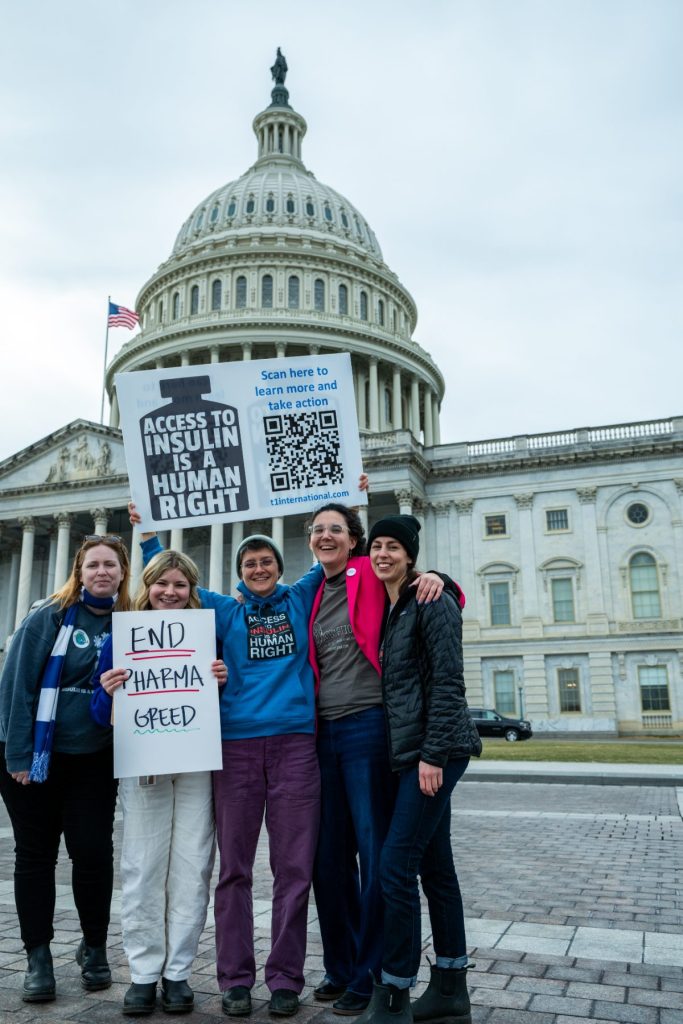
That is why T1International works alongside advocates around the world to challenge policies and practices that prevent people from accessing the care they need.
The Insulin Access Crisis Can Be Solved.
We know what people with diabetes need. We know what treatments exist. We know that access is possible.
The solution requires governments, companies, healthcare systems, and communities to prioritize people over profit and ensure that life-saving diabetes care is available to everyone, everywhere.
Our Story
T1International was founded in 2013 by patient advocate Elizabeth (Liz) Pfiester and members of the global diabetes community.
What began as a blog quickly grew into an organization rooted in the leadership of those most impacted. T1International has combined storytelling, knowledge-building, collaborative research, and grassroots advocacy to confront the insulin price crisis. Our commitment to authentic relationships, solidarity across borders, and our refusal to take money from pharmaceutical corporations has guided us every step of the way.
T1International became a registered nonprofit in 2016. In 2019 we registered as a non-profit in the United States, and in 2025 we shifted all operations to that entity.
Today, T1International works with advocates, organizations, and communities around the world to advance diabetes equity and ensure people living with diabetes have the tools and support they need to lead change.
Our Team
T1International is led by people with and impacted by diabetes who bring lived experience, expertise, and a shared commitment to health equity. Our Team, including our staff, contractors, and Board of Trustees help guide our work, support our global community, and ensure that the voices of people with diabetes remain at the center of everything we do.